DNA Structure and Function
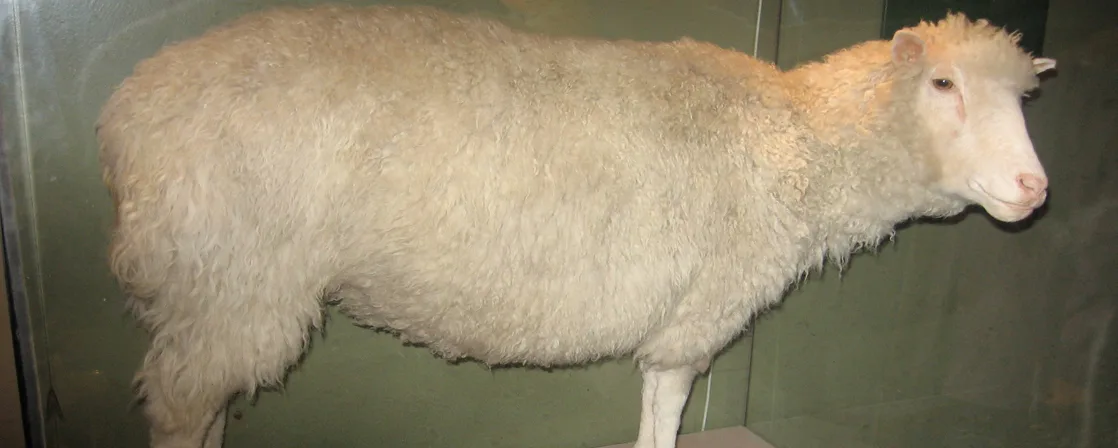
The three letters “DNA” have now become synonymous with crime solving and genetic testing. DNA can be retrieved from hair, blood, or saliva. Each person’s DNA is unique, and it is possible to detect differences between individuals within a species on the basis of these unique features.
DNA analysis has many practical applications beyond forensics. In humans, DNA testing is applied to numerous uses: determining paternity, tracing genealogy, identifying pathogens, archeological research, tracing disease outbreaks, and studying human migration patterns. In the medical field, DNA is used in diagnostics, new vaccine development, and cancer therapy. It is now possible to determine predisposition to diseases by looking at genes.
Each human cell has 23 pairs of chromosomes: one set of chromosomes is inherited from the female parent and the other set is inherited from the male parent. There is also a mitochondrial genome, inherited exclusively from the female parent, which can be involved in inherited genetic disorders. On each chromosome, there are thousands of genes that are responsible for determining the genotype and phenotype of the individual. A gene is defined as a sequence of DNA that codes for a functional product. The human haploid genome contains 3 billion base pairs and has between 20,000 and 25,000 functional genes.
Sections
- Historical Basis of Modern Understanding — DNA transformation, the key experiments that identified DNA as the genetic material, and Chargaff’s rules for base composition.
- DNA Structure and Sequencing — the structure of DNA, the Sanger method of DNA sequencing, and how eukaryotic and prokaryotic DNA compare.
- Basics of DNA Replication — how the structure of DNA reveals its replication process, and the Meselson and Stahl experiments that demonstrated it.
- DNA Replication in Prokaryotes — the process of DNA replication in prokaryotes and the roles of the enzymes and proteins that carry it out.
- DNA Replication in Eukaryotes — how DNA replication in eukaryotes compares to prokaryotes, and the role of telomerase.
- DNA Repair — the different types of mutations in DNA and the mechanisms cells use to repair it.
This chapter is adapted from Biology 2e, Chapter 14: DNA Structure and Function by Mary Ann Clark, Jung Choi, Matthew Douglas, and OpenStax, © OpenStax, licensed under CC BY-NC-SA 4.0. Access the original for free at openstax.org. Each section page records its own changes from the source. Changes: the chapter-opening photograph is the source’s, re-encoded for the web; its alt text is the source’s own description, kept as written since it already names what is shown without repeating the caption’s identification.