Gene Expression
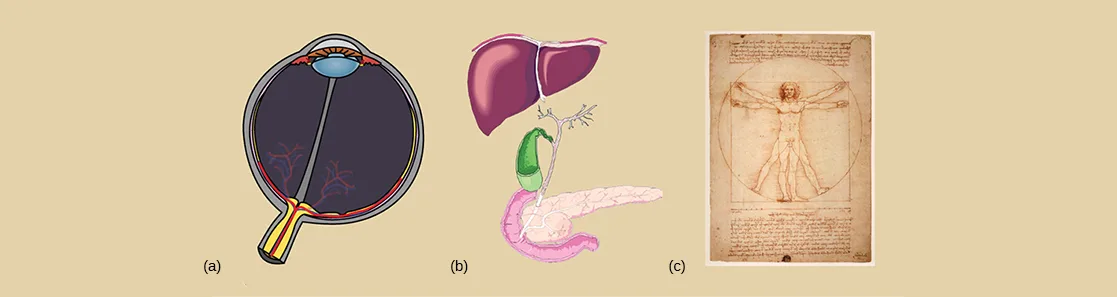
Each somatic cell in the body generally contains the same DNA. A few exceptions include red blood cells, which contain no DNA in their mature state, and some immune system cells that rearrange their DNA while producing antibodies. In general, however, the genes that determine whether you have green eyes, brown hair, and how fast you metabolize food are the same in the cells in your eyes and your liver, even though these organs function quite differently. If each cell has the same DNA, how is it that cells or organs are different? Why do cells in the eye differ so dramatically from cells in the liver?
Whereas each cell shares the same genome and DNA sequence, each cell does not turn on, or express, the same set of genes. Each cell type needs a different set of proteins to perform its function. Therefore, only a small subset of proteins is expressed in a cell. For the proteins to be expressed, the DNA must be transcribed into RNA and the RNA must be translated into protein. In a given cell type, not all genes encoded in the DNA are transcribed into RNA or translated into protein because specific cells in our body have specific functions. Specialized proteins that make up the eye (iris, lens, and cornea) are only expressed in the eye, whereas the specialized proteins in the heart (pacemaker cells, heart muscle, and valves) are only expressed in the heart. At any given time, only a subset of all of the genes encoded by our DNA are expressed and translated into proteins. The expression of specific genes is a highly regulated process with many levels and stages of control. This complexity ensures the proper expression in the proper cell at the proper time.
Sections
- Regulation of Gene Expression — why every cell does not express all of its genes all of the time, and how prokaryotic and eukaryotic gene regulation occur at the transcriptional, epigenetic, post-transcriptional, translational, and post-translational levels.
- Prokaryotic Gene Regulation — the steps involved in prokaryotic gene regulation and the roles of activators, inducers, and repressors.
- Eukaryotic Epigenetic Gene Regulation — how chromatin remodeling, histone modification, and DNA methylation control transcriptional access to DNA.
- Eukaryotic Transcription Gene Regulation — the role of transcription factors in gene regulation, and how enhancers and repressors regulate gene expression.
- Eukaryotic Post-transcriptional Gene Regulation — the role of RNA splicing and RNA stability in regulating gene expression.
- Eukaryotic Translational and Post-translational Gene Regulation — the process of translation, how the initiation complex controls it, and the ways post-translational control shapes gene expression.
- Cancer and Gene Regulation — how changes to gene expression at different levels can disrupt the cell cycle and cause cancer, and how understanding this regulation can lead to better drug design.
This chapter is adapted from Biology 2e, Chapter 16: Gene Expression by Mary Ann Clark, Jung Choi, Matthew Douglas, and OpenStax, © OpenStax, licensed under CC BY-NC-SA 4.0. Access the original for free at openstax.org. Each section page records its own changes from the source. Changes: the chapter-opening illustration is the source’s, re-encoded for the web; its alt text is the source’s own description, kept as written since it already names what each panel shows.