Introduction to Animal Diversity
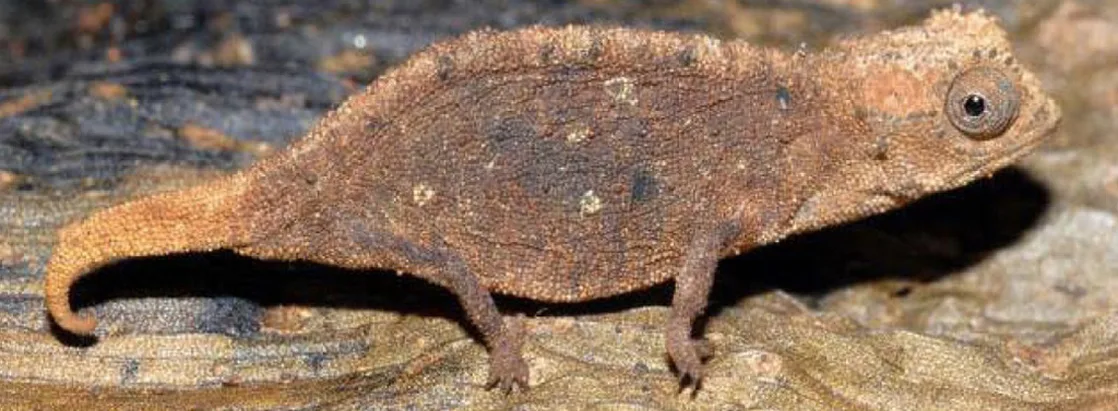
Animal evolution began in the ocean over 600 million years ago with tiny creatures that probably do not resemble any living organism today. Since then, animals have evolved into a highly diverse kingdom. Although over one million extant (currently living) species of animals have been identified, scientists are continually discovering more species as they explore ecosystems around the world. The number of extant species is estimated to be between 3 and 30 million.
But what is an animal? While we can easily identify dogs, birds, fish, spiders, and worms as animals, other organisms, such as corals and sponges, are not as easy to classify. Animals vary in complexity—from sea sponges to crickets to chimpanzees—and scientists are faced with the difficult task of classifying them within a unified system. They must identify traits that are common to all animals as well as traits that can be used to distinguish among related groups of animals. The animal classification system characterizes animals based on their anatomy, morphology, evolutionary history, features of embryological development, and genetic makeup. This classification scheme is constantly developing as new information about species arises. Understanding and classifying the great variety of living species help us better understand how to conserve the diversity of life on earth.
Sections
- Features of the Animal Kingdom — the features that distinguish the kingdom Animalia from other kingdoms, animal reproduction and embryonic development, and the roles Hox genes play in development.
- Features Used to Classify Animals — the differences in animal body plans that support basic animal classification, and the embryonic development that distinguishes protostomes from deuterostomes.
- Animal Phylogeny — how to interpret the metazoan phylogenetic tree, the types of data scientists use to construct and revise animal phylogeny, and relationships revealed by modern molecular data.
- The Evolutionary History of the Animal Kingdom — the features of the earliest animals and when they appeared, the significance of the Cambrian period for animal diversity, unresolved questions about the Cambrian explosion, and the implications of mass animal extinctions.
This chapter is adapted from Biology 2e, Chapter 27: Introduction to Animal Diversity by Mary Ann Clark, Jung Choi, Matthew Douglas, and OpenStax, © OpenStax, licensed under CC BY-NC-SA 4.0. Access the original for free at openstax.org. Each section page records its own changes from the source. Changes: the chapter-opening image is the source’s, re-encoded for the web, with its source alt kept since it already says what the single photo shows; the caption’s italicized species name is set in italics per the source’s own markup, though the vendored manifest’s plain-text caption field does not carry it; the source’s introduction paragraphs do not reference the opening figure inline, so no parenthetical figure-reference rendering was needed.