Plant Form and Physiology
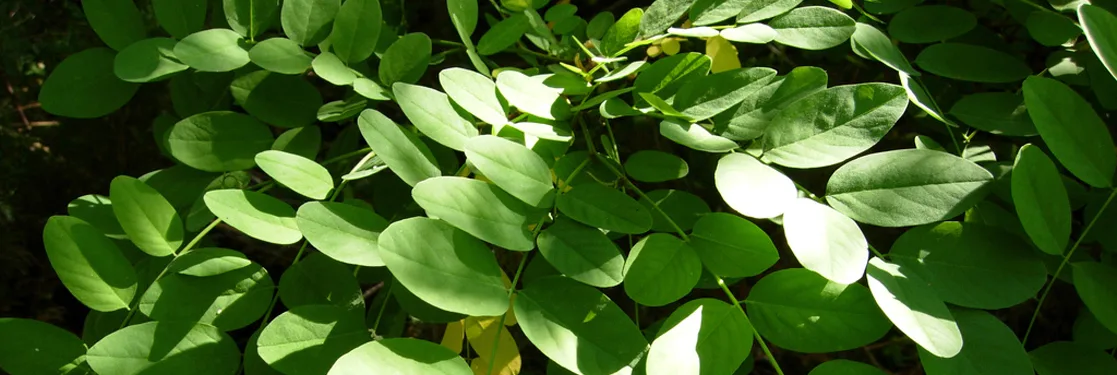
Plants are as essential to human existence as land, water, and air. Without plants, our day-to-day lives would be impossible because without oxygen from photosynthesis, aerobic life cannot be sustained. From providing food and shelter to serving as a source of medicines, oils, perfumes, and industrial products, plants provide humans with numerous valuable resources.
When you think of plants, most of the organisms that come to mind are vascular plants. These plants have tissues that conduct food and water, and most of them have seeds. Seed plants are divided into gymnosperms and angiosperms. Gymnosperms include the needle-leaved conifers—spruce, fir, and pine—as well as less familiar plants, such as ginkgos and cycads. Their seeds are not enclosed by a fleshy fruit. Angiosperms, also called flowering plants, constitute the majority of seed plants. They include broadleaved trees (such as maple, oak, and elm), vegetables (such as potatoes, lettuce, and carrots), grasses, and plants known for the beauty of their flowers (roses, irises, and daffodils, for example).
While individual plant species are unique, all share a common structure: a plant body consisting of stems, roots, and leaves. They all transport water, minerals, and sugars produced through photosynthesis through the plant body in a similar manner. All plant species also respond to environmental factors, such as light, gravity, competition, temperature, and predation.
Sections
- The Plant Body — the shoot and root organ systems, the difference between meristematic tissue and permanent tissue, the three regions where plant growth occurs, and the roles of dermal, vascular, and ground tissue in simple and complex plant tissue.
- Stems — the main function and basic structure of stems, the roles of dermal, vascular, and ground tissue, the difference between primary and secondary growth, the origin of annual rings, and examples of modified stems.
- Roots — the two types of root systems, the three zones of the root tip and their role in root growth, the structure of the root, and examples of modified roots.
- Leaves — the parts of a typical leaf, the internal structure and function of a leaf, the difference between simple and compound leaves, and examples of modified leaves.
- Transport of Water and Solutes in Plants — water potential and how solutes, pressure, gravity, and the matric potential influence it, how water potential, evapotranspiration, and stomatal regulation move water through plants, and how photosynthates are transported.
- Plant Sensory Systems and Responses — how red and blue light affect plant growth and metabolic activities, gravitropism, how hormones affect plant growth and development, thigmotropism, thigmonastism, and thigmogenesis, and how plants defend themselves from predators and respond to wounds.
This chapter is adapted from Biology 2e, Chapter 30: Plant Form and Physiology by Mary Ann Clark, Jung Choi, Matthew Douglas, and OpenStax, © OpenStax, licensed under CC BY-NC-SA 4.0. Access the original for free at openstax.org. Each section page records its own changes from the source. Changes: the chapter-opening image is the source’s, re-encoded for the web, with its source alt kept since it already says what the single photo shows.