Animal Nutrition and the Digestive System
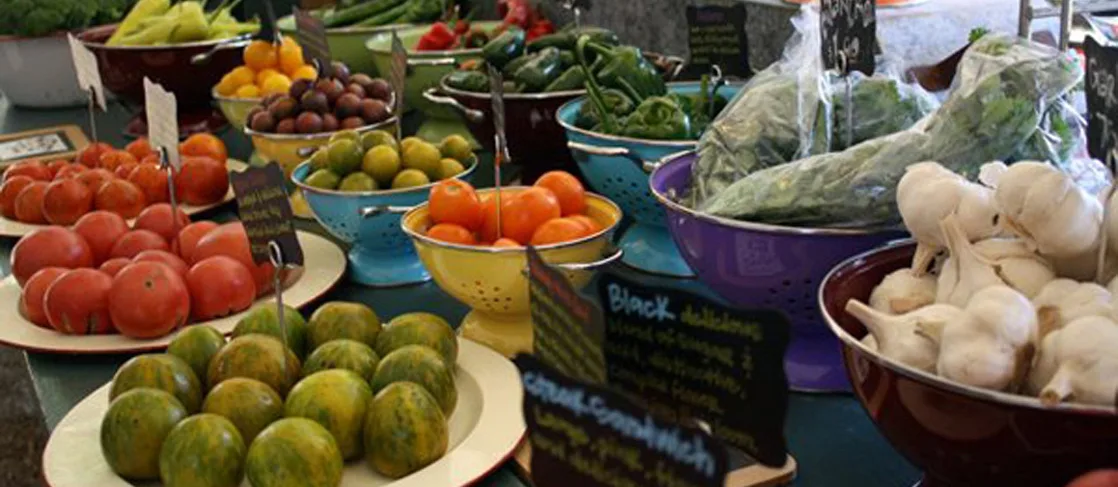
All living organisms need nutrients to survive. While plants can obtain the molecules required for cellular function through the process of photosynthesis, most animals obtain their nutrients by the consumption of other organisms. At the cellular level, the biological molecules necessary for animal function are amino acids, lipid molecules, nucleotides, and simple sugars. However, the food consumed consists of protein, fat, and complex carbohydrates. Animals must convert these macromolecules into the simple molecules required for maintaining cellular functions, such as assembling new molecules, cells, and tissues. The conversion of the food consumed to the nutrients required is a multistep process involving digestion and absorption. During digestion, food particles are broken down to smaller components, and later, they are absorbed by the body.
One of the challenges in human nutrition is maintaining a balance between food intake, storage, and energy expenditure. Imbalances can have serious health consequences. For example, eating too much food while not expending much energy leads to obesity, which in turn will increase the risk of developing illnesses such as type-2 diabetes and cardiovascular disease. The recent rise in obesity and related diseases makes understanding the role of diet and nutrition in maintaining good health all the more important.
Sections
- Digestive Systems — the processes of digestion and absorption, different types of digestive systems, the specialized functions of the organs involved in processing food, and how organs work together to digest food and absorb nutrients.
- Nutrition and Energy Production — why an animal’s diet should be balanced and meet the needs of the body, the primary components of food, the essential nutrients required for cellular function that cannot be synthesized by the animal body, how energy is produced through diet and digestion, and how excess carbohydrates and energy are stored in the body.
- Digestive System Processes — the process of digestion, the steps involved in digestion and absorption, elimination, and the role of the small and large intestines in absorption.
- Digestive System Regulation — the role of neural regulation in digestive processes and how hormones regulate digestion.
This chapter is adapted from Biology 2e, Chapter 34: Animal Nutrition and the Digestive System by Mary Ann Clark, Jung Choi, Matthew Douglas, and OpenStax, © OpenStax, licensed under CC BY-NC-SA 4.0. Access the original for free at openstax.org. Each section page records its own changes from the source. Changes: the chapter-opening image is the source’s, re-encoded for the web, with its source alt kept since it already says what the photo shows.