Sensory Systems
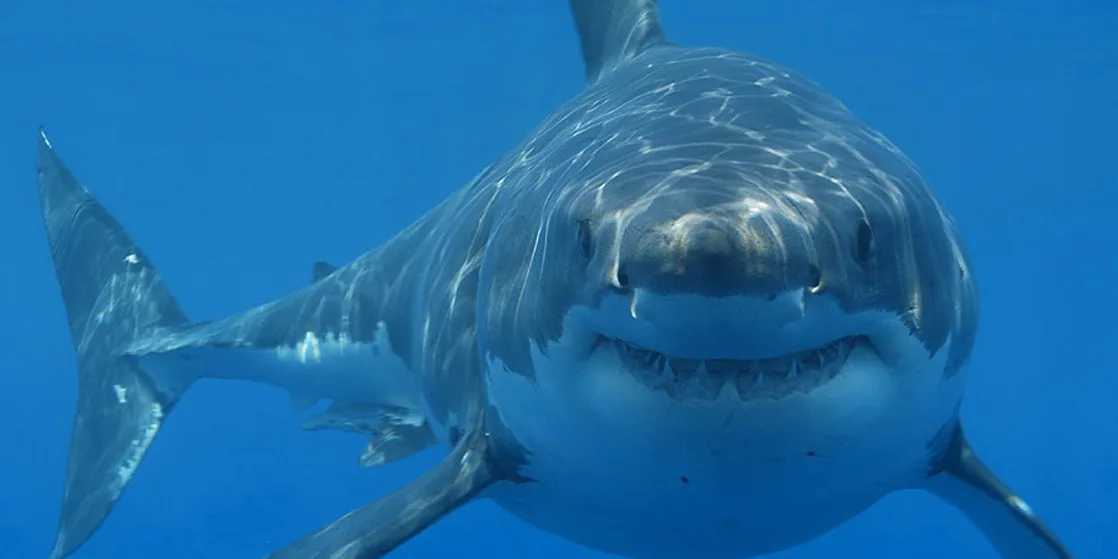
In more advanced animals, the senses are constantly at work, making the animal aware of stimuli—such as light, or sound, or the presence of a chemical substance in the external environment—and monitoring information about the organism’s internal environment. All bilaterally symmetric animals have a sensory system, and the development of any species’ sensory system has been driven by natural selection; thus, sensory systems differ among species according to the demands of their environments. The shark, unlike most fish predators, is electrosensitive—that is, sensitive to electrical fields produced by other animals in its environment. While it is helpful to this underwater predator, electrosensitivity is a sense not found in most land animals.
Sections
- Sensory Processes — the general and special senses in humans, the steps of sensory perception, and the concept of just-noticeable difference.
- Somatosensation — four important mechanoreceptors in human skin, their topographical distribution between glabrous and hairy skin, and why the perception of pain is subjective.
- Taste and Smell — how smell and taste stimuli differ from other sensory stimuli, the five primary tastes humans can distinguish, and the anatomical reasons a dog’s sense of smell is more acute than a human’s.
- Hearing and Vestibular Sensation — how the amplitude and frequency of a sound wave relate to the attributes of sound, the path of sound through the auditory system to the site of transduction, and the structures of the vestibular system that respond to gravity.
- Vision — how electromagnetic waves differ from sound waves, the path of light through the eye to the optic nerve, and tonic activity as it is manifested in photoreceptors in the retina.
This chapter is adapted from Biology 2e, Chapter 36: Sensory Systems by Mary Ann Clark, Jung Choi, Matthew Douglas, and OpenStax, © OpenStax, licensed under CC BY-NC-SA 4.0. Access the original for free at openstax.org. Each section page records its own changes from the source. Changes: the chapter-opening image is the source’s, re-encoded for the web, with its source alt kept since it already says what the photo shows.