The Endocrine System
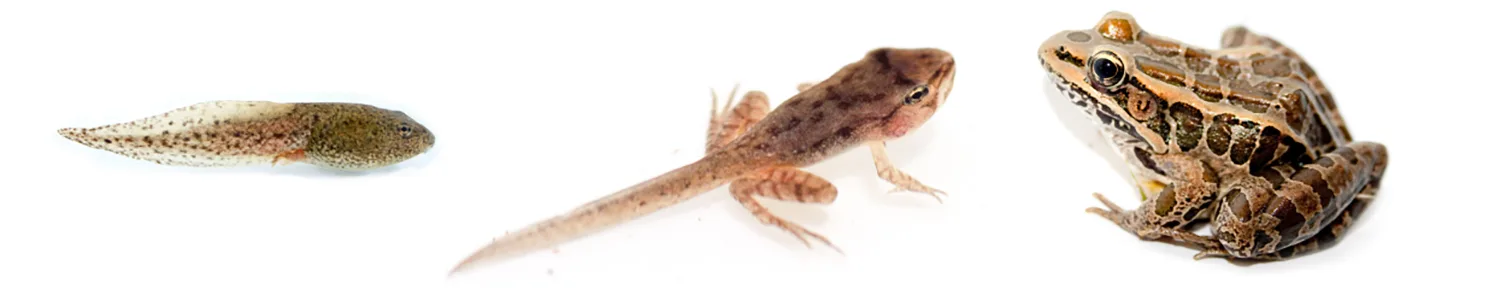
An animal’s endocrine system controls body processes through the production, secretion, and regulation of hormones, which serve as chemical “messengers” functioning in cellular and organ activity and, ultimately, maintaining the body’s homeostasis. The endocrine system plays a role in growth, metabolism, and sexual development. In humans, common endocrine system diseases include thyroid disease and diabetes mellitus. In organisms that undergo metamorphosis, the process is controlled by the endocrine system. The transformation from tadpole to frog, for example, is complex and nuanced to adapt to specific environments and ecological circumstances.
Sections
- Types of Hormones — the different types of hormones and their role in maintaining homeostasis.
- How Hormones Work — how hormones work and the role of different types of hormone receptors.
- Regulation of Body Processes — how hormones regulate the excretory and reproductive systems, how hormones regulate metabolism, and the role of hormones in different diseases.
- Regulation of Hormone Production — how hormone production is regulated and the different stimuli that control hormone levels in the body.
- Endocrine Glands — the role of different glands in the endocrine system and how the different glands work together to maintain homeostasis.
This chapter is adapted from Biology 2e, Chapter 37: The Endocrine System by Mary Ann Clark, Jung Choi, Matthew Douglas, and OpenStax, © OpenStax, licensed under CC BY-NC-SA 4.0. Access the original for free at openstax.org. Each section page records its own changes from the source. Changes: the chapter-opening image is the source’s, re-encoded for the web, with its source alt kept since it already says what the photo shows.