The Circulatory System
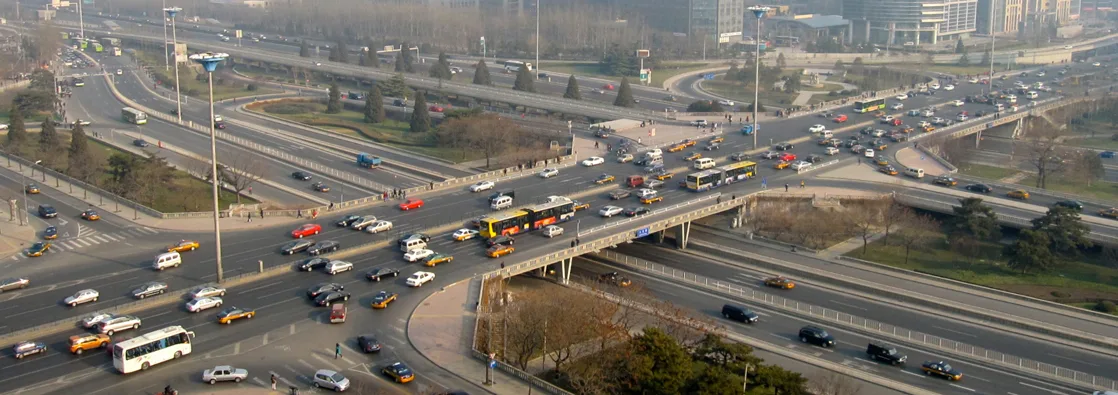
Most animals are complex multicellular organisms that require a mechanism for transporting nutrients throughout their bodies and removing waste products. The circulatory system has evolved over time from simple diffusion through cells in the early evolution of animals to a complex network of blood vessels that reach all parts of the human body. This extensive network supplies the cells, tissues, and organs with oxygen and nutrients, and removes carbon dioxide and waste, which are byproducts of respiration.
At the core of the human circulatory system is the heart. The size of a clenched fist, the human heart is protected beneath the rib cage. Made of specialized and unique cardiac muscle, it pumps blood throughout the body and to the heart itself. Heart contractions are driven by intrinsic electrical impulses that the brain and endocrine hormones help to regulate. Understanding the heart’s basic anatomy and function is important to understanding the body’s circulatory and respiratory systems.
Gas exchange is one essential function of the circulatory system. A circulatory system is not needed in organisms with no specialized respiratory organs because oxygen and carbon dioxide diffuse directly between their body tissues and the external environment. However, in organisms that possess lungs and gills, oxygen must be transported from these specialized respiratory organs to the body tissues via a circulatory system. Therefore, circulatory systems have had to evolve to accommodate the great diversity of body sizes and body types present among animals.
Sections
- Overview of the Circulatory System — open and closed circulatory systems, interstitial fluid and hemolymph, and how the organization of the vertebrate circulatory system has evolved.
- Components of the Blood — the basic components of blood, how red and white blood cells compare, and blood plasma and serum.
- Mammalian Heart and Blood Vessels — the structure of the heart and how cardiac muscle differs from other muscle, the cardiac cycle, and the structure of arteries, veins, and capillaries.
- Blood Flow and Blood Pressure Regulation — the path of blood flow through the body and how blood pressure is regulated.
This chapter is adapted from Biology 2e, Chapter 40: The Circulatory System by Mary Ann Clark, Jung Choi, Matthew Douglas, and OpenStax, © OpenStax, licensed under CC BY-NC-SA 4.0. Access the original for free at openstax.org. Each section page records its own changes from the source. Changes: the chapter-opening image is the source’s, re-encoded for the web, with its source alt kept since it already says what the photo shows.