Osmotic Regulation and Excretion
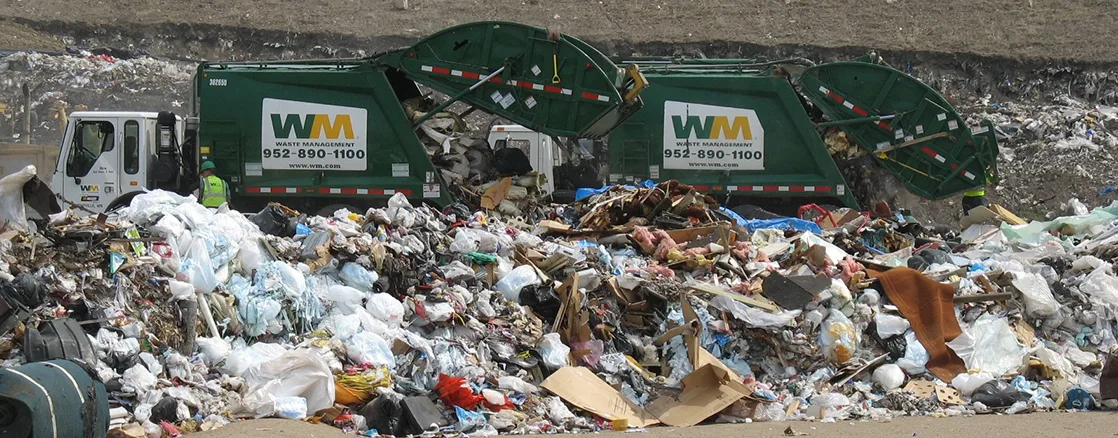
The daily intake recommendation for human water consumption is eight to ten glasses of water. In order to achieve a healthy balance, the human body should excrete the eight to ten glasses of water every day. This occurs via the processes of urination, defecation, sweating and, to a small extent, respiration. The organs and tissues of the human body are soaked in fluids that are maintained at constant temperature, pH, and solute concentration, all crucial elements of homeostasis. The solutes in body fluids are mainly mineral salts and sugars, and osmotic regulation is the process by which the mineral salts and water are kept in balance. Osmotic homeostasis is maintained despite the influence of external factors like temperature, diet, and weather conditions.
Sections
- Osmoregulation and Osmotic Balance — osmosis and its role within the body, active transport mechanisms, osmolarity and how it is measured, and how osmoregulators and osmoconformers allow animals to adapt to different environments.
- The Kidneys and Osmoregulatory Organs — how the kidneys serve as the main osmoregulatory organs in mammalian systems, the structure of the kidney, the nephron as its functional unit, and the three steps in the formation of urine.
- Excretion Systems — how vacuoles in microorganisms, flame cells and nephridia in worms, and Malpighian tubules in insects excrete waste and maintain osmotic balance.
- Nitrogenous Wastes — how aquatic and terrestrial animals eliminate toxic ammonia, and how the major byproduct of ammonia metabolism compares between vertebrates and birds, insects, and reptiles.
- Hormonal Control of Osmoregulatory Functions — how hormonal cues help the kidneys synchronize the body’s osmotic needs, including epinephrine, norepinephrine, renin-angiotensin, aldosterone, anti-diuretic hormone, and atrial natriuretic peptide.
This chapter is adapted from Biology 2e, Chapter 41: Osmotic Regulation and Excretion by Mary Ann Clark, Jung Choi, Matthew Douglas, and OpenStax, © OpenStax, licensed under CC BY-NC-SA 4.0. Access the original for free at openstax.org. Each section page records its own changes from the source. Changes: the chapter-opening image is the source’s, re-encoded for the web, with its source alt kept since it already says what the photo shows.