Ecosystems
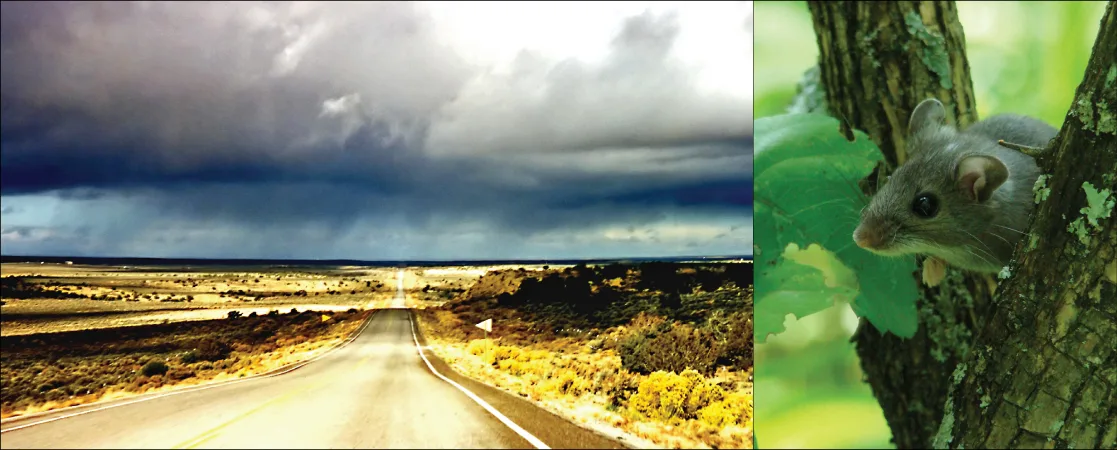
In 1993, an interesting example of ecosystem dynamics occurred when a rare lung disease struck inhabitants of the southwestern United States. This disease had an alarming rate of fatalities, killing more than half of early patients, many of whom were Native Americans. These formerly healthy young adults died from complete respiratory failure. The disease was unknown, and the Centers for Disease Control (CDC), the United States government agency responsible for managing potential epidemics, was brought in to investigate. The scientists could have learned about the disease had they known to talk with the Navajo healers who lived in the area and who had observed the connection between rainfall and mice populations, thereby predicting the 1993 outbreak.
The cause of the disease, determined within a few weeks by the CDC investigators, was the hantavirus known as Sin Nombre, the virus with “no name.” With insights from traditional Navajo medicine, scientists were able to characterize the disease rapidly and institute effective health measures to prevent its spread. This example illustrates the importance of understanding the complexities of ecosystems and how they respond to changes in the environment.
Sections
- Ecology of Ecosystems — the basic ecosystem types, the methods ecologists use to study ecosystem structure and dynamics, methods of ecosystem modeling, and the difference between food chains and food webs.
- Energy Flow through Ecosystems — how organisms acquire energy in a food web and its food chains, how the efficiency of energy transfers between trophic levels affects ecosystem structure and dynamics, and how ecological pyramids model trophic levels.
- Biogeochemical Cycles — the biogeochemical cycles of water, carbon, nitrogen, phosphorus, and sulfur, and how human activities have impacted these cycles and the potential consequences for Earth.
This chapter is adapted from Biology 2e, Chapter 46: Ecosystems by Mary Ann Clark, Jung Choi, Matthew Douglas, and OpenStax, © OpenStax, licensed under CC BY-NC-SA 4.0. Access the original for free at openstax.org. Each section page records its own changes from the source. Changes: the chapter-opening image is the source’s, re-encoded for the web, with its source alt kept since it already says what each photo shows.