Biochemistry of the Genome
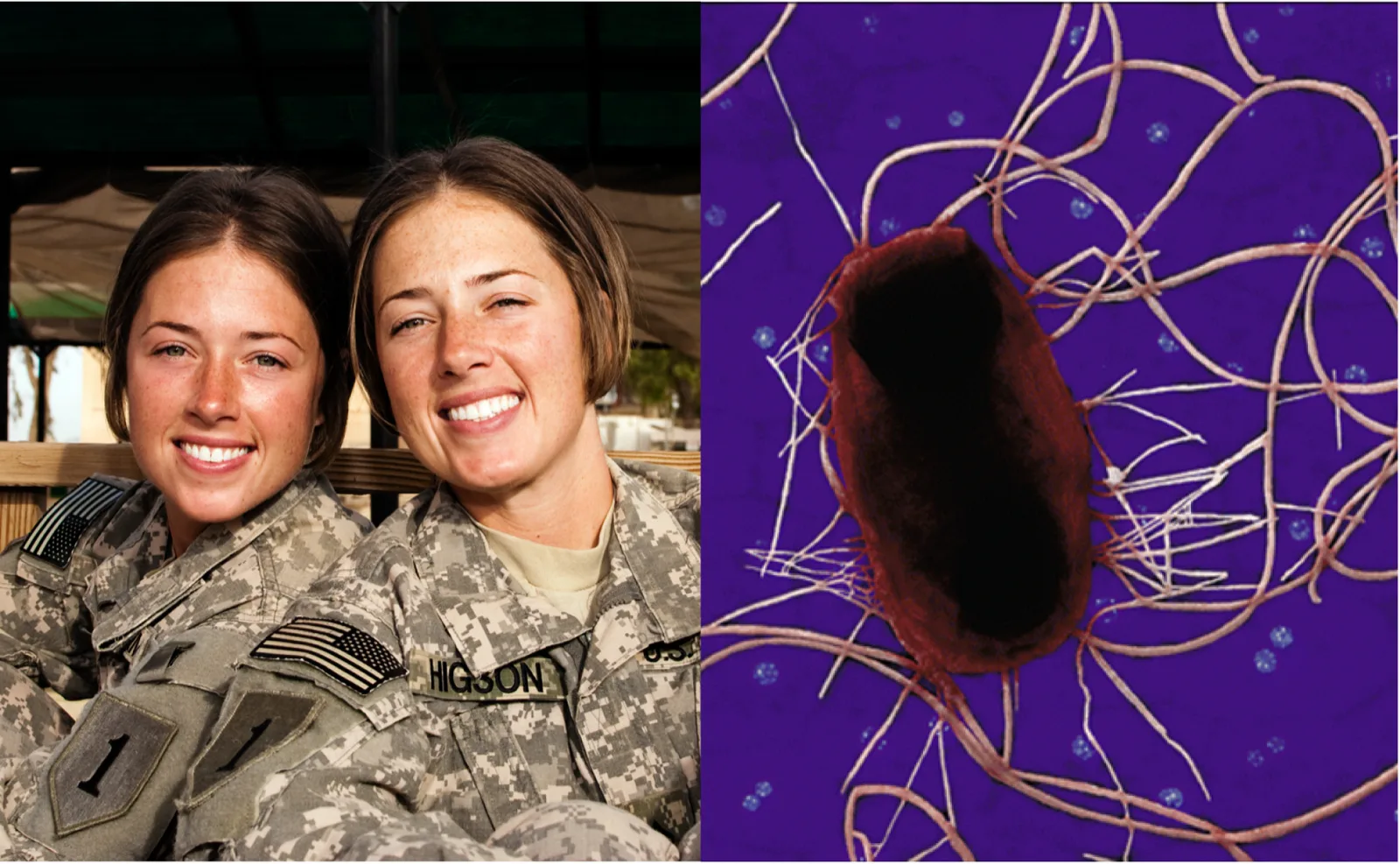
Children inherit some characteristics from each parent. Siblings typically look similar to each other, but not exactly the same—except in the case of identical twins. How can we explain these phenomena? The answers lie in heredity (the transmission of traits from one generation to the next) and genetics (the science of heredity). Because humans reproduce sexually, 50% of a child’s genes come from the egg cell and the remaining 50% from the sperm cell. Sperm and egg are formed through the process of meiosis, where DNA recombination occurs. Thus, there is no predictable pattern as to which 50% comes from which parent. Thus, siblings have only some genes, and their associated characteristics, in common. Identical twins are the exception, because they are genetically identical.
Genetic differences among related microbes also dictate many observed biochemical and virulence differences. For example, some strains of the bacterium Escherichia coli are harmless members of the normal microbiota in the human gastrointestinal tract. Other strains of the same species have genes that give them the ability to cause disease. In bacteria, such genes are not inherited via sexual reproduction, as in humans. Often, they are transferred via plasmids, small circular pieces of double-stranded DNA that can be exchanged between prokaryotes.
Sections
- Using Microbiology to Discover the Secrets of Life — Mendel’s pea plants and the chromosomal theory of inheritance, microbes and viruses as model systems, and the Griffith, Avery, and Hershey–Chase experiments that identified DNA as the molecule of heredity.
- Structure and Function of DNA — nucleotides and the sugar-phosphate backbone, the discovery of the double helix, complementary base pairing and antiparallel strands, and DNA’s role in storing and transmitting genetic information.
- Structure and Function of RNA — how RNA differs from DNA, the three RNAs of protein synthesis (mRNA, rRNA, and tRNA), and RNA as hereditary information in viruses.
- Structure and Function of Cellular Genomes — genotype and phenotype, the organization of eukaryotic and prokaryotic chromosomes, noncoding DNA, plasmids and other extrachromosomal DNA, and viral genomes.
This chapter is adapted from Microbiology, Chapter 10: Biochemistry of the Genome by Nina Parker, Mark Schneegurt, Anh-Hue Thi Tu, Philip Lister, Brian M. Forster, and OpenStax, © OpenStax, licensed under CC BY-NC-SA 4.0. Access the original for free at openstax.org. Each section page records its own changes from the source. Changes: the chapter-opening figure is the source’s pair of photographs, re-encoded for the web, with its alt text rewritten to describe both panels; the source’s index-entry terms (heredity, genetics, meiosis, DNA) are printed as plain text because the module defines none of them.